


10-minute workouts
–
Exercise
Short on time? Hate the gym? Too tired to exercise after work? These 10-minute workouts are just what you need.
These equipment-free fitness routines are great to do at home and short enough for you to easily fit them into your daily schedule.
There are 6 workouts, 1 for every day of the week if you include a rest day, each working on a different area of your fitness.
Try to do 1 of these routines daily to improve your general health and strengthen and tone different muscle groups.
The workouts can also be bolted on to your regular workout sessions if you want to tone your abs, legs, triceps or buttocks.
6-minute pre-exercise warm-up

Warm up and stretch properly before exercising to prevent injury and make your workouts more effective. This warm-up and stretching routine should take about 6 minutes.
10-minute cardio workout

Exercise your heart and lungs with this 10-minute cardio workout routine for aerobic fitness. If you have a skipping rope, replace any of the exercises with a 60-second burst of skipping.
10-minute toning workout

Firm up your bum, abs, legs and arms with this 10-minute toning workout. You will need a resistance band for some of the exercises but if you don’t have one, you can use water bottles.
10-minute legs, bums and tums workout

Tone up, firm up and burn fat from your tummy, hips, thighs and bottom with this 10-minute workout for legs, bums and tums.
10-minute abs workout

Tone your tummy muscles and get a flat stomach with this 10-minute abs workout. These abdominal exercises strengthen the muscles around your trunk.
10-minute firm butt workout

Lose the droopy booty and get the perfectly toned posterior with this 10-minute firm butt workout. These exercises strengthen your buttocks, thighs and back.
10-minute upper arms blaster

Banish those flabby upper arms for good with this 10-minute upper arm workout. These arm-strengthening exercises tone your triceps, the muscle above your elbow.
5-minute cool-down routine

Stretch and cool down after exercising to relax, improve flexibility and slow your heart rate. This cool-down routine should take about 5 minutes.

Hold your breath for 10 seconds
“If you can’t, you’ve got COVID”. Fake rumour put out online. This is not a way to detect the disease.
source: Snopes.com

It was created in a lab & deliberately spread
Genome sequencing suggests the virus originated in pangolins or bats – or both.
source: World Economic Forum

You gotta wear face masks!
Only to stop spreading it: if you’re coughing or sneezing, or taking care of somebody with symptoms. Loose masks don’t offer much protection. Tiny infected droplets can still get into the nose, mouths & eyes.
source: World Health Organisation, Johns Hopkins

Just take a hot bath
A hot bath won’t stop you catching it, and it won’t change your body temperature.
source: World Health Organisation
Only use anti-bacterial soap
It’s the soap part that counts. The antibac element has no additional benefit. It’s a virus yeah?
source: New York Times
Packages from China are unsafe
As far as we know it can only survive a few days on surfaces. Something in transit for longer is probably fine.
source: Johns Hopkins Medicine
Pneumonia vaccines
Don’t work against this coronavirus, which needs a vaccine of its own.
source: World Health Organisation
Get a flu jab
For flu, sure. Not for coronavirus. It won’t help.
source: New York Times
Eat loads of garlic!
Garlic has antimicrobial properties, but there’s no evidence it can protect you from coronavirus.
source: New York Times
Hand dryers kill corona
Hand dryers will not kill the virus.
source: World Health Organisation
Sipping water every 15m will stop infection
Keeping hydrated will make you feel better if you’re ill, but it won’t stop you catching it.
source: Snopes.com
Salt-water nose rinses
There’s limited evidence that saline washes can speed up recovery from common cold. But zero evidence that they prevent coronavirus infection.
source: World Health Organisation
Cold weather kills it
No evidence that cold weather kills coronavirus. The body remains warm whatever the weather anyway.
source: World Health Organisation
Echinacea!
No evidence that echinacea can lower your risk of contracting it.
source: New York Times
Green tea!
No evidence that green tea can lower your risk of contracting it.
source: New York Times
Vitamin C!
No evidence that Vitamin C supplements can lower your risk of contracting it.
source: New York Times
Zinc!
No evidence that zinc supplements can lower your risk of contracting it. Zinc may shorten infections of the common cold, but the jury is still out.
source: New York Times
Colloidal silver! Elderberry juice! Essential oils!
No. No. NO!
source: New York Times
You can get it from mosquito bites
No evidence to suggest it can be transmitted by mosquitoes.
source: World Health Organisation
Take antibiotics!
Nope. Antibiotics only work against bacteria, not viruses.
source: World Health Organisation
Wear gloves
Probably ineffective. Gloves can become contaminated, and most have tiny holes. Viruses are tiny.
source: New York Times
A vaccine is coming soon!
Scientists around the globe are working on it, but it won’t be ready for months.
source: John Hopkins Medicine
It’s spreading faster than any other pathogen
Several diseases are more contagious, e.g. polio, diptheria, whooping cough. Measles is FAR more contagious.
source: Forbes
It’s more deadly than any other pathogen
The data so far has the case fatality rate somewhere around 3-4%. For comparison, SARS was 10%. MERS was 34%.
source: World Health Organisation, British Medical Journal
Hot weather kills it
Unclear. The virus has been transmitted in areas with hot weather.
source: World Health Organisation
The coronavirus is less deadly than the flu
There is some uncertainty about mortality rates at this stage, but coronavirus appears to be more deadly than seasonal flu.
source: World Health Organisation
Thermal scanners detect it
They can sense a fever, but can’t detect infection during the typical 2-10 days it takes for the infected to develop a high temperature.
source: World Health Organisation
Steroids!
They don’t work against coronavirus.
source: Johns Hopkins Medicine

People who recover can get it again
We don’t know for sure yet, but reinfection is highly unlikely.
source: Snopes.com
Just use hand sanitiser gel
We know sanitiser with 60%+ alcohol kills pathogens like this coronavirus, but we don’t know if it kills this one. You’re better off with regular soap.
source: New York Times
Spray alcohol/chlorine on yourself
Won’t kill viruses already in the body, and may be harmful.
source: World Health Organisation
All coughs & fevers are coronavirus infections
You can still catch regular colds and flu while the coronavirus is about.
source: Forbes
Getting COVID-19 is a death sentence.
Data to date suggests 80% of those infected have mild symptoms, and around 3-4% die from the virus – particularly high-risk groups like the very old and those with serious existing conditions (heart & lung disease etc)
source: World Health Organisation
Pets can spread the coronavirus
No evidence that COVID-19 can be transmitted from pets to humans.
source: CDC
People of African descent are resistant
Anybody who comes into contact with the virus can contract it. No evidence of genetic resistance in those of African descent.
source: Snopes
You can get coronavirus from money
The virus can live on surfaces for several days. It’s possible.
source: CBS News
Taking ibuprofen is a bad idea
Theoretical possibility that ibuprofen could increase the number of receptors the coronvirus uses to infect cells, but as yet there’s no data to back this up.
source: New York Times
Italy has stopped treating elderly infectees
If there’s not enough capacity to treat everybody, healthcare workers may have to choose who gets treated – depending on their likelihood of survival long-term.
source: Snopes.com
Obama declared Swine flu an emergency only after millions were infected
When the former US president declared a public health emergency there had only been twenty confirmed cases in the US.
source: Snopes.com
Corona Beer sales have tanked!
There was actually a 5% uptick in US sales of the beer Jan-Feb.
source: Snopes.com

1. Minimize trips to the supermarket during the pandemic and eat healthy.
Before you shop for Coronavirus preparations…
Plan ahead. Visualize breakfast, lunch, and dinner for at least 5 days. What will you serve? What do you need? Consider the foods your family likes, your food preparation methods, interests and skills, and the time and energy you will have for preparing meals. Working from home may not mean there is more time to cook—especially if you are now responsible for teaching your kids and doing the work your employer expects.
Have children at home? Include children in meal planning, preparation, and clean up while teaching them writing, math, reading, and science.
- Reading/Writing: Ask your kids to make a list of what’s in the pantry and refrigerator. Then, have them look through cookbooks or online recipes sites to find meals and snacks that use up what is on hand. Have them share their breakfast, lunch, or dinner meal ideas.
- Math: Find math in measuring spoons and cups, counting out numbers of ingredients, taking stock of pantry items, or planning the time it will take to prepare, cook, eat, and clean up a meal.
- Science: Get kids involved in baking bread, cooking an egg, or creating a homemade salad dressing—then, search the internet to discover the science behind why ingredients change when they are combined, heated, or blended

Think nutrition. The healthiest meals emphasize whole grains, vegetables, and fruits—serve them in the greatest amounts. Meat portions should be smaller—this will save money and help keep dietary saturated fat in check.
Make a shopping list—and use it! You’ll be less like to forget items or buy impulse items.
Stock up on nutrition-packed foods that will stay fresh for a week or longer.
- Breads—corn tortillas, whole grain English muffins, bagels, breads, wraps, frozen whole wheat waffles
- Grains—instant oatmeal, quick cooking pasta, frozen brown rice, couscous, refrigerated pizza crust
- Fruits—sturdy fresh fruit (apples, citrus), dried, plain frozen, canned in juice or water
- Vegetables—sturdy fresh veggies (celery, broccoli, onions, potatoes), plain frozen, low sodium canned, sun-dried
- Sauces—tomato pasta sauce, salsa
- Soups & Broths—canned, frozen, shelf-stable cartons
- 100% Juice—refrigerated, frozen, canned, boxed
- Milk—fresh, canned, shelf-stable packages
- Eggs—fresh eggs, egg whites in cartons
- Cheese—sliced, cubed, shredded, crumbled, grated hard cheese
- Beans/Legumes—canned beans (black beans, chickpeas), dry beans
- Nuts and seeds—bagged, canned, nut butters
- Chicken—frozen or canned
- Seafood—frozen ready-to-cook fish fillets, frozen shrimp, canned tuna, salmon, and sardines
- Beef—pre-made frozen lean ground patties or meatballs
- Flavorings—add zing with dried herbs & spices, vinegars, mustard, hot/steak sauces, lemon/lime juice, light dressings, honey, Greek yogurt
Go easy on the frozen dinners—most are high in sodium, fat, and calories.
Limit purchases of tempting foods like chips, sodas, cookies, and ice cream. They are high in empty calories and run up your grocery bill.
Keep costs down—consider low cost alternatives. Instead of buying ready-made hummus, pureed a drained can of chickpeas to make your own. Try a meatless meal, like chili with beans instead of beef. If fresh fruits and veggies are too costly—remember, canned and frozen fruits and vegetables provide the same nutrients as fresh. Best bets are plain frozen veggies and fruits. Go for low sodium canned veggies and fruits canned in juice or water—if these are in short supply, buy regular canned fruits and veggies—drain and rinse before use.
Think about friends and neighbors, especially older adults or those with health conditions. Could you save them a trip to the grocery store?
Try online shopping—it will save you time and let you keep your social distance. Be sure to play ahead, many stores need a day or two from order to delivery or pickup.
While at the supermarket during the Coronavirus pandemic…
Use a disinfecting wipe—wipe your hands and grocery cart handle, then put the wipe in the trash.

Prepared for the unexpected—supermarkets are running low on many items. Be sure to take your own bags. Be ready with a back-up plan if an ingredient you need is unavailable.
Keep the less fortunate in mind—contribute to local pantries and soup kitchens now. Then, when it is all over—donate extra food you stocked up on that is still fresh and safe to eat.
Use contactless payment or credit cards. If you use the payment keypad, tap the buttons and screen with your knuckle—then use hand sanitizer after completing your payment.
2. Eat out safely during the Coronavirus pandemic with restaurant curfews

If you want to have take-out meals, take the food home right away and eat it while it is hot. Store leftovers safely—wrap tightly and refrigerate any dishes with meat, fish, poultry, or dairy products—be sure to reheat these leftovers thoroughly before eating.
Make eating together at home a positive experience
Whether it is homemade or takeout, eating more meals at home is a new routine for many families. Keep the stress down by making mealtime fun.
- Get the family involved—kids can help set the table, pour the water, make the salad, or grate the cheese. Make mealtimes a family affair.
- Try some new recipes—if you have never made homemade pizza, roasted a whole chicken, or cooked meatballs from scratch—now is a good time to try! There are lots of great recipes on the internet! Look for those that call for only a few ingredients and use common kitchen tools.
- Reconnect with the family—eat together at the table or spread a blanket on the floor and have an indoor picnic. Be sure to separate mealtime and TV time—watching while eating makes it too easy to pay attention to TV and not your food, so you are likely to overeat. Wonder what to talk about at mealtime? Chat about things you will do this summer, tell jokes—just keep the conversation upbeat and fun.
3. Think Positive! Mindset is vital to getting through this pandemic physically and mentally healthy.

- Practice positive stress management strategies. Walk the dog, call a friend, soak in the tub, or cuddle your kids. Skip the alcohol, tobacco, and drugs.
- Stick with your routine as much as you can. Go to bed and get up in the morning on your usual schedule. Eat meals at regular times. Find ways to exercise away from the gym—do yoga in the living room, trim the hedge, have a scavenger hunt in the backyard with your kids, or just toss a ball or play tag as a family.
- Manage boredom. Stay busy and engaged—resist hanging around the fridge or mindlessly watching TV. Enjoy your hobbies, read, cook, make videos with your kids, start a scrapbook, help your kids with their virtual schoolwork, and stay in touch with family, friends, and colleagues.
When you do go out, wash your hands before you leave home and as soon as you return.
Have a dry cough? Feeling feverish? Hard time breathing? Don’t hesitate to reach out to your health care provider for further instructions.
We are all in facing this together. Let’s make the most of it to come out stronger and wiser and ready to enjoy all the wonderful times to come!


The Vomitorium
Not a room Romans used for Bacchanalian binges, but the name for the entrance to a stadium.

Different tongue parts
There are no different sections for each taste: bitter, sour, salty, sweet & umami (savoury/meaty).

“Net Neutrality”
The web hasn’t been a neutral delivery system for years. Google & Facebook etc already have ‘fast lanes’ at ISPs to deliver services to you. The real issue is giving power over the web to just a few aggressive & powerful cable companies.

Electric fan @ night
Big myth in South Korea that this is deadly. Very unlikely to harm you. Unless you put the fan in the bed.

Sharks = no cancer
Oh yes they do get cancer. Particularly skin cancer.
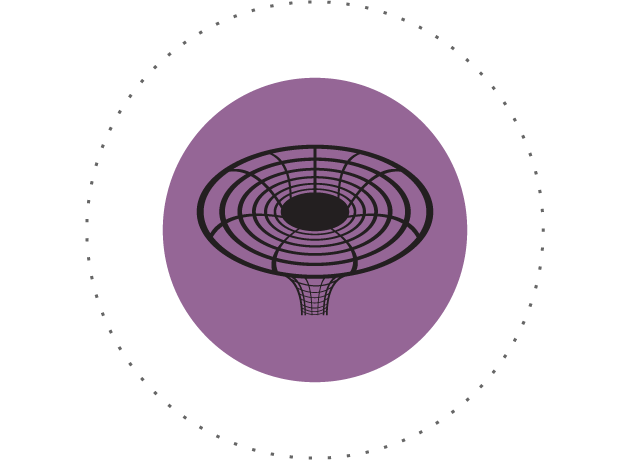
Black ‘holes’
Hugely dense objects with massive gravitational pull, creating a hole in the fabric of space time from which light cannot escape. But not a hole in the sense of a portal.
Wake sleepwalkers?
They’ll be really confused, but it’s okay. They’re more likely to hurt themselves if they’re not awoken.
Chemical Imbalance
Simplistic. Thank pharma for the idea that major depression is caused by an imbalance of brain chemicals like serotonin.
Napoleon was short
A tall tale. At 5’7”, he was actually above average height for a Frenchman of the time.
The 5 Second Rule
Amount of bacteria transferred to fallen food depends on how contaminated the floor is, not how long the food stays there.
Bulls hate red
Bulls are colour-blind. They actually react to motions of the bull fighter’s cloth as a perceived threat.
Great Wall of China
Not visible from space to the naked eye. Myth. Now stop saying it!

Missing person report
Police don’t demand a 24-hour period before accepting a missing persons report.
The Banana Tree
Actually grow on massive herbs that resemble trees. Bet you didn’t know that.
Oil stops stuck pasta
Nope. But it can stop the water foaming or boiling over.
A gene for…
Genes code for proteins, so there are actually no genes ‘for’ specific characteristics, esp. not psychological ones.
Sweaty dogs?
Dogs don’t sweat by salivating. They regulate temperature through panting. They actually sweat through footpads.
Body heat & the head
Only in infants is most heat lost through the head. Or if the head is the only uncovered part of the body.
Vikings’ horned helms
Actually created by a costume designer for a 19th-century Wagner opera.
Bats are blind
Don’t be fact-blind! Bats can not only see. They can also use echolocation. That’s why they’re so awesome!
Salieri hated Mozart
Nothing like the film. They were composer friends with a little rivalry. Nothing more.
Iron maidens
Never were medieval torture devices, but 18th century fakes created for sensational circuses.
Don’t eat & swim!
Doesn’t increase risk of cramps; alcohol is the biggest risk increaser. But a full stomachwill make you short of breath.
Einstein failed maths
Nope. He failed an entrance exam for a school but still excelled in maths.
We have 5 senses
We actually have close to 20, including balance, pain, movement, hunger, thirst, etc.
“Yes, I’m a cop”
US undercover police do not have to identify themselves as cops. A Hollywood-induced myth.
An “Autism Epidemic”
There’s only been an increase in diagnoses of autism, caused by heightened awareness of the ailment.
Fishy 3-sec memory
While not the smartest, goldfish boast a memory span of 3 months – better than most politicians.
Humans & dinosaurs
Despite 41% of US adults thinking they coexisted, we actually missed each other by ~63 million years.
Evolution is a ‘theory’
In science, a ‘theory’ is anything more than a conjecture. Usually an extensively tested idea uniting data from many observations.
Chastity Belts
Not anti-adultery devices. Instead invented by prudes in the 19th century to prevent ‘dangerous’ masturbation.
Our chimp ancestors
We did not evolve from chimps. Along with bonobos, they are our closest living genetic relatives. A shared ancestor lived 5–8 million years ago.
Glass is a liquid
Actually an ‘amorphous solid’. ‘But that‘s why stained-glass windows are thicker at the bottom.’ Nope. It’s just badly made glass.
Caffeine dehydrates
Not really. The diuretic dehydrating effect of caffeine is offset by the amount of water in a caffeinated drink.
Shaving thickens hair
Regrown hair isn’t thicker, coarser or darker. It just appears so because it’s no longer tapered.
Sugar = hyperactivity
Studies have disproved this. ADHD and poor behaviours still occurs in children with sugar-free diets.
Vaccines = autism
Groundless fears based on fraudulent research that’s been shown to have been manipulated.
Scientific Proof
Proof is incompatible with science which is, by its nature, provisional and self-correcting. Only Maths has proofs.
Dropped pennies kill
Terminal velocity of a penny is 30–50 mph, which isn’t fast enough. It would hurt, though.
Left & right brain
There’s no evidence that creativity or logic reside in a particular side of the brain, or that a person can be “left-” or “right-brained”.
The Three Wise Men
Nowhere in the New Testament does it specify there were three.
Alcohol is warming
Dilates warm blood vessels near the skin, creating the impression of warmth. It can actually drop core body temp.
Fatwa = death
Not a death sentence. It actually means ‘non-binding legal opinion’.
Only 10% of brain
Misunderstood metaphor. Proportion of our brain ‘firing’ is task-dependent and maybe as low as 10%. But, ultimately, all cells are important.
Satan Rules Hell
Doesn’t actually say this anywhere in the Bible.
Milk & mucus
Nope. Milk just straight doesn’t create mucus. There’s no need to avoid dairy if you have a cold.
Salt boiling water
Adding a sprinkle of salt to fresh water makes only a negligible difference to boiling time. Huge, sea-level amounts do.
Alcohol kills brain cells
Only in heavy users & alcoholics who rely on alcohol to get most of their calories.
Multiple personalities
Schizophrenia technically means ‘split-mind’, but it is different to multi-personality disorder.

Jihad is ‘holy war’
It actually translates as ‘struggle’.
Lie detector
No such machine. A polygraph test detects arousal, not lies. And can be easily faked.
No Sex Before…
No evidence sex impairs athletic performance. Could even help athletes due to increased testosterone.
Flush direction
Toilet water does not rotate the other way in the S. hemisphere. The Coriolis effect only affects large bodies of water.
7 years to digest
The chewy base of gum is indigestible & passes straight through. The remainder is absorbed.
Hard-wired
The brain is actually incredibly fluid & plastic. So virtually no psychological capacities are ‘hard-wired’ from birth.
Washington & Weed
He grew hemp to make rope & clothes, but there’s no evidence he smoked a phat one most nights.
Black belt masters
Only introduced in 1880, in Judo, to show competence in basic techniques. Not ninja-level mastery.
Martyrs & 72 Virgins
A matter of debate in Islam. Nowhere in the Qu’ran, but is reported in other texts.
Brainwashing
No evidence that people’s minds can be changed against their will.
Get “Closure”
No evidence this mythical emotional end state is ever achieved by victims of trauma, bereavement or loss.

Steep learning curve
Actually means a skill that is easy and quick to learn. Think about it. The curve just goes up and up.
Photographic memory
No hard scientific evidence that a memory that mimics a camera is a real ability. Some people just have great or well-practised memories
Sushi = raw fish
Lost in translation. Sushi means ‘sour rice’ and does not always feature fish. Sashimi means ‘raw’ – but isn’t just fish.
Vegetarian protein
There’s a ton of it in eggs, beans, cheese, seeds and vegetables. Vegans do need vitamin B-12 supplements though.
Water & Electricity
Water itself doesn’t conduct electricity. It’s actually an insulator. But substances dissolved in water (salts etc) often can conduct electricity.
Waving Your Phone Around
Does not improve your phone signal. In fact it makes it worse, and makes you look like an idiot.
Refreezing Raw Meat
It’s fine as long as it was thawed in the fridge.
With cases of coronavirus on the rise, the public has been asked to follow social distancing guidelines and self-isolate to curb the spread of the virus.
Although sticking to the advice is essential in the current crisis, staying at home with limited human contact can have a significant impact on our mental well-being – and in particular, feelings of loneliness.

Loneliness is a growing epidemic in the UK with 2.4 million adults feeling lonely, according to data from the Office for National Statistics. Although older people are particularly vulnerable to feeling lonely, it can affect people of all ages, particularly if they are quarantined at home.
“Self-isolation stops us engaging with normal day-to-day life,” says Dr Elena Touroni, a consultant psychologist and co-founder of My Online Therapy. “However, human connection is vital for our sense of well-being. Limiting social interaction is likely to have an impact on our mood if we don’t consciously work to maintain that connection by other means – for example, video calls or messaging.
“There are all kinds of small day-to-day interactions we don’t normally think about which give us a sense of connection, such as buying a coffee or going to the gym,” she adds. “Some people rely on these interactions for daily connection more than others – it becomes their coping mechanism.
“These people are likely to feel the impact of self-isolating much more than those who are able to maintain points of connection at home – with their partner or family, for instance.”
Degrees of isolation
The current guidance is that everyone should be staying at home wherever possible. If they can, everyone should work from home – a major change for many. Social gatherings are also essentially banned.
But for two groups, the level of proposed isolation is even higher.
People with possible coronavirus and their household members
People with symptoms of possible coronavirus infection are required to self-isolate completely for at least seven days. Other people they live with must isolate for 14 days. But if you’re in self-isolation because of symptoms, you should isolate yourself from your family as well as the rest of the world. That means being in a separate room from them ideally at all times.
People being shielded
The most vulnerable are also being advised to isolate themselves entirely in their homes for their own safety for 12 weeks from 23rd March. This is called shielding. Unless their partner is also staying inside entirely, they should be separated from any family members they live with.
When socialising in person is out of the question, then, what else can we do to beat loneliness?
How to combat loneliness
Stay in virtual contact
Meeting up with friends might not be possible right now, but you can stay in touch with everyone via technology. Download apps and chat, share updates and pictures to keep your spirits up when things are tough. You can also set up group videos chats on Skype – so you can pretend you are catching up in the pub, even when you’re at home.
“Maintain connection as much as possible,” Touroni says. “If not in-person, keep up communication with friends, family and colleagues online on WhatsApp, Facetime, Slack, Zoom etc.”
Many of us forgo picking up the phone in favour of instant messaging, but now is the time to get in contact the old-fashioned way too. Just hearing a friend’s voice can help reduce loneliness and make us feel more connected.
Plan home-based activities
If you don’t have access to a phone or the internet, distraction techniques can also help reduce isolation and loneliness. With many of us stuck at home, now is the time to get on with the things we haven’t had time to do before.
“Have a brainstorming session and plan lots of activities you can do from home,” Touroni says. “Consider goals you want to achieve so you can use this time productively – eg, learning a new skill, reading about a new topic, learning a language.”
Set yourself challenges too, such as reading something new or baking something you’ve not made before. The sense of achievement helps to boost your mental well-being, as well as passing the time.
Structure your day
Having to stay at home all the time can make the days merge into one and seem endless. Therefore, it’s important to try to stick to a routine, even when things are different and strange. Even getting up at the same time as normal and having lunch at a certain hour can help make us feel more settled and provide a sense of normality.
“Keep a structure to your day – plan some activities that get you moving, connecting and thinking,” says Natasha Crowe, a member of the Counselling Directory. “Breaking the day down into bite-sized pieces helps us feel more in control.
“You could also have a timetable of activities that perhaps are planned – get creative and use your imagination and be practical. Taking back control over how you behave is really important right now.”
Look after yourself
Keeping physically healthy can help boost mood and ease loneliness too, so it is important to eat as well as you can and get some exercise. Even if you can’t get outside, there are plenty of online exercise videos to follow indoors.
“Try mindful activities, relaxation, breath work, gardening, yoga, listening to podcasts of music, watching films, games and drawing,” Crowe says. “Helping and supporting each other is a lovely way of feeling gratitude and helps calm the worrying thoughts.”
Reach out for help
If you are struggling with loneliness or your mental health, there are a lot of support groups to lend an ear and provide advice. The organisations Mind, Campaign to End Loneliness and Age UK are all offering information and support.
You can also still speak with a doctor if you are struggling with a mental health problem, and many surgeries are arranging telephone appointments. You may be given a face-to-face appointment if deemed appropriate, although surgeries are facing a high demand at the moment.
“If you feel low or worried, reach out and ask for help. Lots of fantastic community groups are supporting people locally up and down the country,” Crowe says.
“Community is important to so many and being in a group or being social is vital to our well-being. Reminding yourself that you are well and safe. The world may seem smaller for now but it may give us an opportunity to slow down and rest.
Mental Health Awareness Week 2020 is a chance for the UK to focus on mental health.
This year’s theme is kindness, with the week running from 18 – 24 May.
The focus on kindness is a response to the coronavirus outbreak, which is having a big impact on people’s mental health.
Some people have mental health conditions like depression or anxiety, which means they have feelings that won’t go away and which start to really affect day-to-day life.
Mark Rowland, chief executive of the Mental Health Foundation, said: “We want to use Mental Health Awareness Week to celebrate the thousands of acts of kindness that are so important to our mental health. And we want to start a discussion on the kind of society we want to shape as we emerge from this pandemic.”
Have you carried out any acts of kindness recently? Let us know in the comments below. And watch the video above to hear what some of you have to say about the importance of being kind.

The Mental Health Foundation has conducted a new survey into kindness, which has found almost two-thirds of us say that when people are kind to them, it has a positive impact on their mental health.
The results also found that almost two-thirds of people find that being kind to others has a positive impact on their mental health and almost three-quarters of us say it is important we learn from the coronavirus pandemic to be more kind as a society.
Forty-eight percent of the people surveyed said being kind “to myself” had a positive impact on their mental health.
Speaking about the research, Mark Rowland said: “At one level, kindness can be as simple as phoning a friend who is lonely or thanking a colleague for something they have done. However, to have a major impact on improving our mental health, we need to take kindness seriously as a society.”
The charity is asking the government to think about kindness when they are making decisions about how the country is run.
One thing we have seen all over the world is that kindness is … helping people to connect and communities to cope with the impact of the coronavirus pandemic.
Own It: Who would you give a Random Act of Kindness nomination to?
Being kind can significantly improve our physical and emotional wellbeing – whether we are giving or receiving it.
There have even been scientific studies into the effects of kindness, showing that acts of kindness help your immune system, reduces stress, gives you energy and are good for your heart!
The power of being kind goes even further, it has been proven to slow ageing, improve relationships and it’s contagious!
But how does this happen? We’ve got it covered below!

Kindness can change the chemicals in our body.
Committing acts of kindness produces a hormone in the body called oxytocin, sometimes called the ‘kindness hormone’ and the ‘cardioprotective hormone’. Which means it protects our hearts!
Oxytocin causes the release of a chemical called nitric oxide, which opens up the blood vessels and lowers blood pressure. It is the main contributor to keeping our hearts healthy after exercise.
This important hormone also increases our self-esteem and optimism, which is extra helpful when we’re feeling anxious, nervous or shy.

Kindness can spread far and wide pretty quickly!
The positive effects of kindness are experienced in the brain of everyone – whether you are giving, receiving or observing kindness. This improves their mood and makes them significantly more likely to act kindly themselves.
Kindness creates a ripple effect that can improve the day of loads of people!

One of the factors that plays a role in the aging process is oxidative stress – which is an imbalance in your body.
Scientists found that if you introduced oxytocin (the kindness hormone) to skin cells put under stress, the levels of oxidative stress got significantly reduced.

Engaging in acts of kindness can give us more energy. A study by the University of California Berkeley, Greater Good Science Center showed that people feel stronger and more energetic after helping others.

Alongside oxytocin, being kind also produces serotonin in your body. This is often called the ‘happy chemical’ and has been found to heal your wounds, calm you down, and improve your mood.
When you are kind to another person your brain’s pleasure and reward centres light up, which makes you feel good.

Having low levels of the chemical serotonin in the body has been linked to anxiety and depression.
So kindness can help as it increases serotonin. When we’re kind we get the opposite emotional and physical effects on our body to when we are stressed.
A study by the University of British Columbia found that kind people have 23% less cortisol – the stress hormone – and age slower than average.
In their research, a group of highly anxious people did at least six acts of kindness a week. After one month, there was a significant increase in their positive moods, their relationships with other people had improved, and they avoided social situations less.

How you feel emotionally can physically effect your immune system – which is the system in the body that helps fight off infection and viruses.
If you feel a connection with someone either by being kind to them, someone being kind to you, or even seeing kindness in action it can spike the immune system into action.

Kindness produces endorphins, the brain’s natural painkiller. Endorphins are hormones that deal with stress and reduce feelings of pain.
Pretty amazing stuff, right?!
We have a once-in-a-generation opportunity to re-imagine a kinder society – one that protects all our mental health


In 2017 the NHS announced that it has cut, stopped and reducing IVF treatment in some 19 areas* across the UK, with Croydon being the first in London.
This damning report is devasting news for the countless individuals and couples suffering from infertility issues and the inability to conceive naturally. The media has covered the uproar against this issue as tax payers feel this is an unfair deduction. Nonetheless, the NHS have proceeded with the decision, leaving thousands of people isolated with little hope of creating a family of their own.
IVF Advice
Those that are now choosing to proceed with IVF privately are left facing big decisions with little or no free help or advice. A hundred-and-one questions that need answering – how do I find an IVF clinic? Will my local GP help? How much is one cycle of IVF? Is it cheaper and more efficient abroad? What are extras and add-ons? What is the exact procedure? Is it painful? How long does a complete cycle take? Do I need time off work?
Choosing the right IVF Clinic
Finding the right IVF clinic can be a daunting process and with many clinics all offering ‘The Best Treatment!’ making a decision, whether it’s in your home town or abroad, can be difficult. Once you are happy with your chosen clinic, the ever-looming subject of costs must be discussed. There can be no debate – IVF is an expensive procedure with no guarantees. IVF costs vary from county-to-county and treatment abroad can be significantly less. The average UK cycle starts from £5,000 (excluding medication and blood work which can heavily increase the cost). Extras and add-ons like ICSI, IUI, PGD/PGS, Blastocyst transfer & Embryo screening will increase your fees but bring the benefit of an increased success rate.
Which IVF Procedure is right for me?
The exact procedure will and should be discussed with your fertility specialist and it is vital to ask any and all questions you may have. The average length of one IVF cycle is four to six weeks, so pre-planning is crucial when determining how much time you may need away from work. Initial scans and bloodwork will be carried out to assess your fertility and medication is then taken to kick-start the process.
IVF Success Rate
The wait to see that ‘positive’ on a pregnancy stick is an unnerving time for individuals and couples. After going through an IVF procedure, one would hope it was successful. However, the reality of this procedure is that only [45% result in pregnancy using own eggs].
Despite its difficulties, IVF can be a wonderfully rewarding process. It is important to gather as much information as possible, consider costs carefully and be aware of the details behind ‘from’ pricing and money-back guarantees. Do not let yourself feel pressured into anything, if something does not feel right, it probably isn’t. Most importantly, be happy with your decision – happy mums make happy babies.
—
*Areas affected include Barking, Bristol, Cambridge, Cheshire, Croydon, Dagenham, Essex (West), Havering, Hertfordshire (East and North), Herts Valley, Gloucestershire (South), Peterborough, Redbridge, Redditch, Richmond, Somerset (North), Swindon, Vale Royal, Wirral, Worcestershire (South) and
Kiran Nahar